
By Dr. Chris Cormier, DC — BodyCharger
For years in clinic I ran into the same wall, and it was never a clinical one.
A patient would come in, we would do good work, and then they would go home — and I could not go with them. Twenty-three hours of their day happened somewhere I was not. The best thing I could do was hand them things to do for themselves, and the better those things got, the better people did.
That is the whole reason BodyCharger exists. Not as a replacement for anything, but because the person with the most access to your nervous system, by an enormous margin, is you.
Start with what is already true about your body
Self-healing is not a technique anyone sells you. It is the default setting.
Cut your hand and nobody has to instruct it to close. That capacity is running in you right now, in every one of roughly 30 trillion cells, and all of it is coordinated through the nervous system.
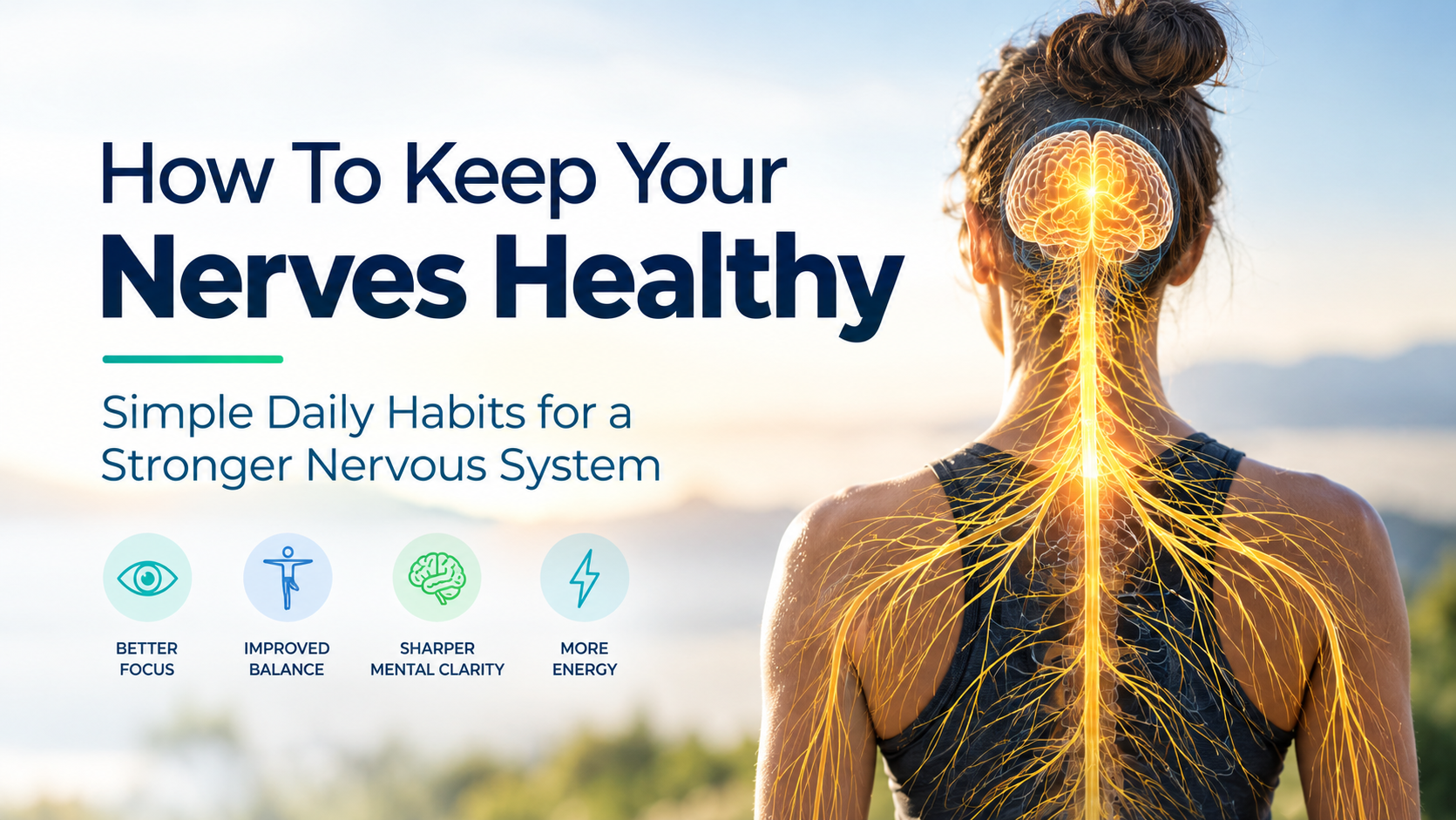
As the National Institute of Neurological Disorders and Stroke puts it, “all sensations, movements, thoughts, memories, and feelings are the result of signals that pass through neurons.” And that is only the part you are aware of — the autonomic side is simultaneously handling “blood pressure, heart rate, sweating, bowel and bladder emptying, and digestion” without ever asking you about any of it.
So the question for anyone wanting to feel better at home is not how to make the body heal. It is how to give the system that coordinates it what it runs on. That is a much more answerable question, and most of the answer is free.
The order matters more than the effort
People arrive at this subject with enormous willingness and no sequence, which is why the results are so inconsistent.
The ingredients your body runs on have an order of priority, and it is not the order most people work in:
- Oxygen — the top ingredient in the entire human body.
- Water — the second most prevalent.
- Light — how the whole system keeps time and communicates.
- Frequency — fourth, and the one that has become most accessible at home.
- Magnetism — fifth.
- Nutrients and supplements — sixth, deliberately.
That is the OWL Method — oxygen, water and light first, everything else supporting them.
And the sixth item is where most people start, which is completely understandable. Search for what will help you and you get a wall of conflicting advice, so you buy something — it is a reasonable response to a confusing situation. Work in order instead and the supplements do more for you, not less, because you are adding them to a system that can use them properly.
The daily rhythm: morning
Here is the practical version. Three free habits, placed where they do the most.
Water before anything else
You have just gone seven or eight hours without a drink. Most people start the day already behind and spend the rest of it catching up.
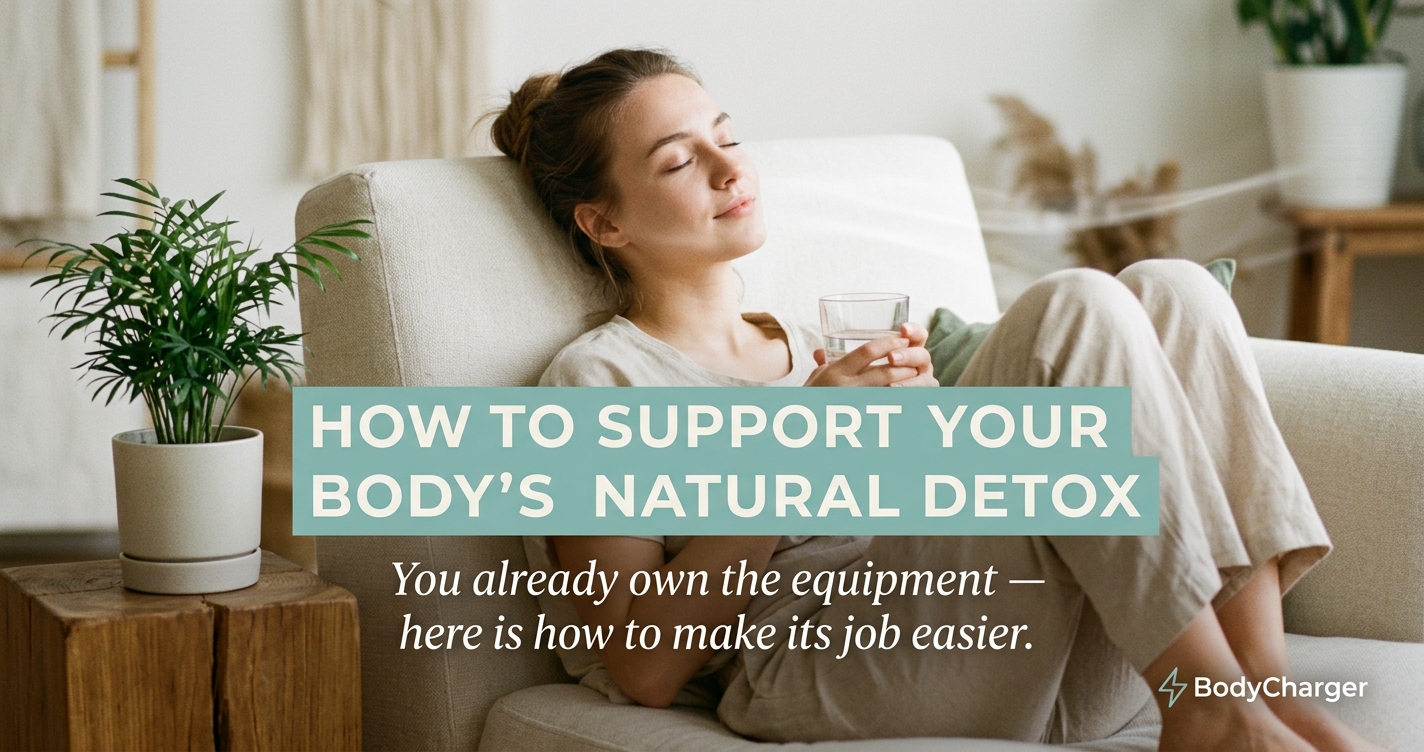
A full glass before coffee, before food, before your phone. Filtered if you can, with a pinch of good salt and some organic lemon — quality and quantity are two separate questions and both matter. This one takes thirty seconds and almost nobody does it.
Light, early and outside
Get outdoors in the first hour or so of being awake, even briefly, even on a grey day. Outdoor light at a distance is far stronger than anything indoors, and it is what sets the timing for the entire day that follows — energy, focus, and how easily you fall asleep sixteen hours later.
This is the single highest-leverage free habit on the list and the one fewest people pull.
Breathe, on purpose
Two or three minutes. Slow in, slower out, longer on the exhale than the inhale.
Most people do not breathe enough and many have lost track of where they are breathing from — shallow, high in the chest, all day. Deliberate breathing is the simplest possible intervention on the single most important ingredient in your body, and it costs nothing but attention.
The daily rhythm: through the day
The morning sets the tone. The day is about not losing it.
- Water, steadily. Front-loaded rather than back-loaded, tapering after dinner so the night is not interrupted.
- Breathing resets. Sixty seconds between tasks. Slower exhale. This is your fastest free route from the alert, driven side of the nervous system to the calm, repairing side.
- More light, and more movement. Step outside at lunch. Walk. Both of these are doing more for your nervous system than they appear to.
The daily rhythm: evening
Evening is where the repair work gets set up, and most of it is about taking things away rather than adding them.
Dim the lights an hour before bed — your body is built to transition from light to dark gradually, not with a switch. Cool the room. Make it properly dark. We go through the whole setup in how to sleep better naturally, and it pairs directly with everything here, because sleep is when most of the repair actually happens.
Frequency, and why it is now a home subject
Fourth in the order, and the one people find most interesting once they get to it.
The way I explain it: imagine every one of those trillions of cells has its own guitar string, and each one is meant to stay in tune. I am not a musician, but a good one can touch a string, hear that it is out, and know exactly what to do about it. That is the thinking behind the frequency work — supporting cells in holding their tune rather than drifting.
What has changed is access. The devices we use for this now fit in a pocket, which means this stopped being a clinic-only subject some years ago. That is precisely the kind of thing the membership exists to sort out for you — which tools are worth having, how to use them, and in what order, so you are not spending six months researching it yourself.
Three columns, and the only goal that matters
Everything you do in a day lands in one of three columns, and most people can place themselves instantly:
- Physical. How you move, sit, lift, sleep.
- Emotional. Workload, pressure, the state your system sits in most of the day.
- Environmental. Air, water, light, food, what you are around.
Nobody is perfect in all three. I am not, and I have never met anyone who is. The goal is simply to be ahead — more going into the good column each day than the other, and a little further ahead each month than the last.
That is a far better target than perfection, because it is one you can actually hit on an ordinary Tuesday.
Why I aim at 85 percent
When people ask me what good looks like, I do not say a hundred percent. I say eighty-five.
There is more interference in modern life than at any point in history, and chasing a perfect number sets people up to feel like they are failing at something nobody achieves. Eighty-five is a target you can hit and then hold.
And the gap between where most people are sitting and eighty-five is where the entire difference in how they feel happens to live.
If you want this as a structure rather than a list
Everything above works. The reason people still struggle with it is that a list requires you to decide, every single morning, what to do — and deciding is the part that fails on week three.
That is what the 28-Day Cell Sparking Challenge is for. The same daily strategies, sequenced across four weeks, so the decision is already made when you wake up. Plenty of people do that alone and feel a substantial difference from it.
Beyond the challenge, the membership covers the devices, the methods and the detail, with specific tracks for female health and male health.
Learning to be your own mechanic
This is the part I actually care about.
The best outcome in my job is when someone needs me less.
My favourite patients are the ones doing both — in-person corrective work and the home practices alongside it. Over time they need the clinic less, because they have learned how their own body works and what to do when something shifts. They understand a kind of lifestyle they had never been shown before.
That is not a smaller version of care. It is the point of it.
When to bring in the clinic
At-home work covers an enormous amount of ground, and some things want hands on them and proper measurement.
If you want to know where your nerve function actually stands rather than estimate it, that is the 88-nerve assessment and the in-person protocols at The Nerve Health Institute. If circulation and oxygenation are part of your wider picture, that is EBOO Prime. Doing both together is the strongest version of this, and always has been.
Frequently asked questions
How can I support my nervous system naturally?
Start with the three foundational ingredients in the right order: breathe deliberately, drink water first thing in the morning, and get outside into early daylight. All three are free, all three act on what your nervous system actually runs on, and done consistently they change how people feel more than most things that cost money.
What is the OWL Method?
Oxygen, water and light — the three most fundamental ingredients in the human body — supported by frequency, magnetism and then nutrients. It is an order of operations rather than a list: get the foundations right and everything downstream works better.
Why do supplements come last?
Not because they do not matter, but because they work better on a system that is already running well. Oxygen, water and light are higher-level ingredients and they are largely free. Sort those first and your supplements do more for you.
How long before I notice anything?
Morning water and morning light are often noticeable within days. The deeper changes build over weeks, which is why the challenge runs for 28 days rather than seven — long enough for the habits to stop requiring decisions.
Do I need special equipment to start?
No. The three habits that matter most cost nothing at all. Devices come later and they are genuinely useful, but anyone telling you to buy first and breathe second has the order backwards.
Should I do this at home or see someone in person?
Both, ideally. Many people start at home and feel a real difference from that alone. If you want measurement and hands-on corrective work, the clinic adds what home cannot — and the home practices make that work hold.
Start tomorrow morning
Water before coffee. Outside within the hour. Three minutes of slow breathing. That is tomorrow handled, and it costs nothing.
When you want the structured version, the 28-Day Cell Sparking Challenge is waiting inside the BodyCharger membership.
Dr. Chris Cormier, DC
BodyCharger — at-home protocols for everyday health
Clinic care at nervehealth.com. More on how and why I practise this way at drchriscormier.com.
Spark your cells to optimal longevity.